Bread, Leftovers, And Dairy Products
Bread presents a unique challenge because mold can spread invisibly through porous foods.
If you see mold on bread, experts generally recommend throwing away the entire loaf rather than removing the visible spot.
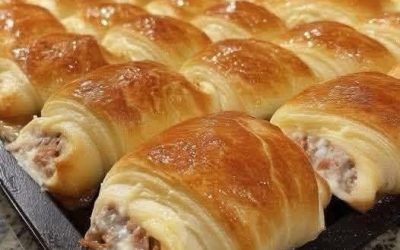
Stale bread without mold, however, can be transformed into croutons, breadcrumbs, stuffing, or toasted snacks.
Cooked rice and pasta can also be safely reused if they have been properly refrigerated soon after cooking. They work well in stir-fries, casseroles, soups, and baked dishes.
One important rule should never be ignored:
Discard cooked food that has remained at room temperature for two hours or longer.
Bacteria can multiply rapidly under these conditions, and reheating may not eliminate all risks.
Dairy Products Require Extra Care
Milk, yogurt, cream, and many soft cheeses are often consumed without further cooking, making food safety especially important.
Soft cheeses that develop mold should generally be discarded entirely because mold roots can penetrate deep into the product.
Hard cheeses such as Parmesan are different. In many cases, moldy sections can be cut away with a generous safety margin while preserving the remaining cheese.
Proper storage can significantly extend freshness. Keeping dairy products refrigerated, using clean utensils, and sealing containers tightly all help reduce spoilage.
Final Thoughts
Not all old food belongs in the trash. Wrinkles, dryness, and discoloration often reflect age rather than danger. Understanding the signs of true spoilage can help you save money, reduce food waste, and avoid unnecessary risks.
When in doubt, remember the four major warning signs: mold, slime, leaking fluids, and strong unpleasant odors. If any of these are present, it is usually safest to throw the food away.
By combining good food safety habits with a little creativity, you can make the most of your groceries while protecting yourself and your family.
```