Fruits And Vegetables: Not Always A Lost Cause
Many fruits simply change appearance as they age.
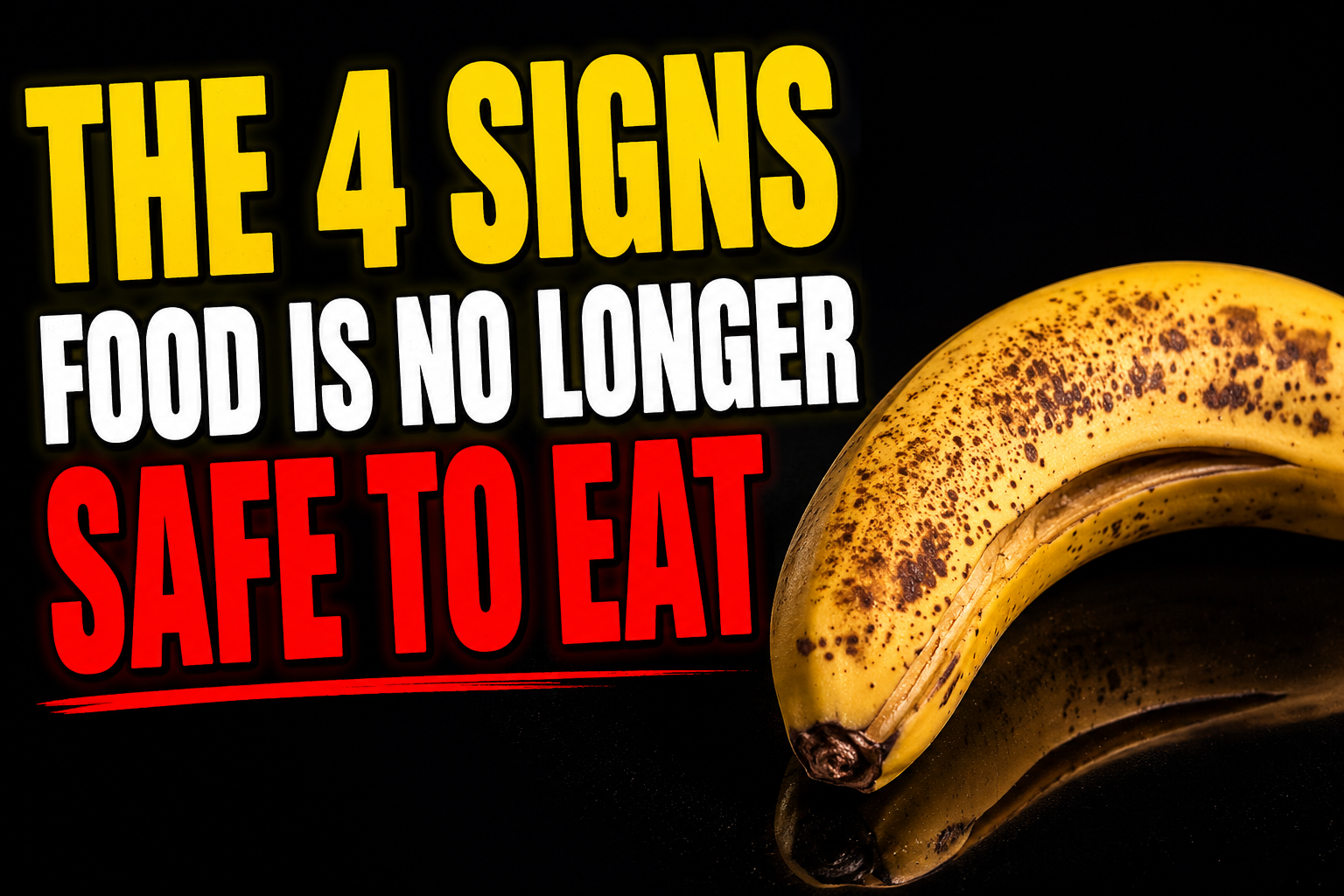
Brown bananas may not look attractive, but they are perfect for banana bread, muffins, pancakes, smoothies, and desserts. In fact, many recipes work better with overripe bananas because they are naturally sweeter.
Wrinkled apples often lose moisture over time but remain excellent for baking, cooking, and making applesauce.
Dry citrus fruits can still provide flavorful zest for cakes, cookies, marinades, and sauces.
When it comes to mold, the rules vary.
Firm fruits and vegetables such as apples, carrots, potatoes, and pumpkin can often be salvaged by cutting away the affected area with a generous margin.
Soft fruits like strawberries, raspberries, blackberries, and peaches should usually be discarded if mold appears because it spreads quickly beneath the surface.
Wilted vegetables are often simply dehydrated rather than spoiled. Many can be roasted, blended into soups, or added to stews and casseroles.
Leafy greens can sometimes be revived by soaking them in ice water for about 30 minutes.
However, potatoes with extensive green patches or heavy sprouting should be discarded because they can contain harmful natural toxins.
Continue to the next page to learn which grains, leftovers, and dairy products require extra caution.