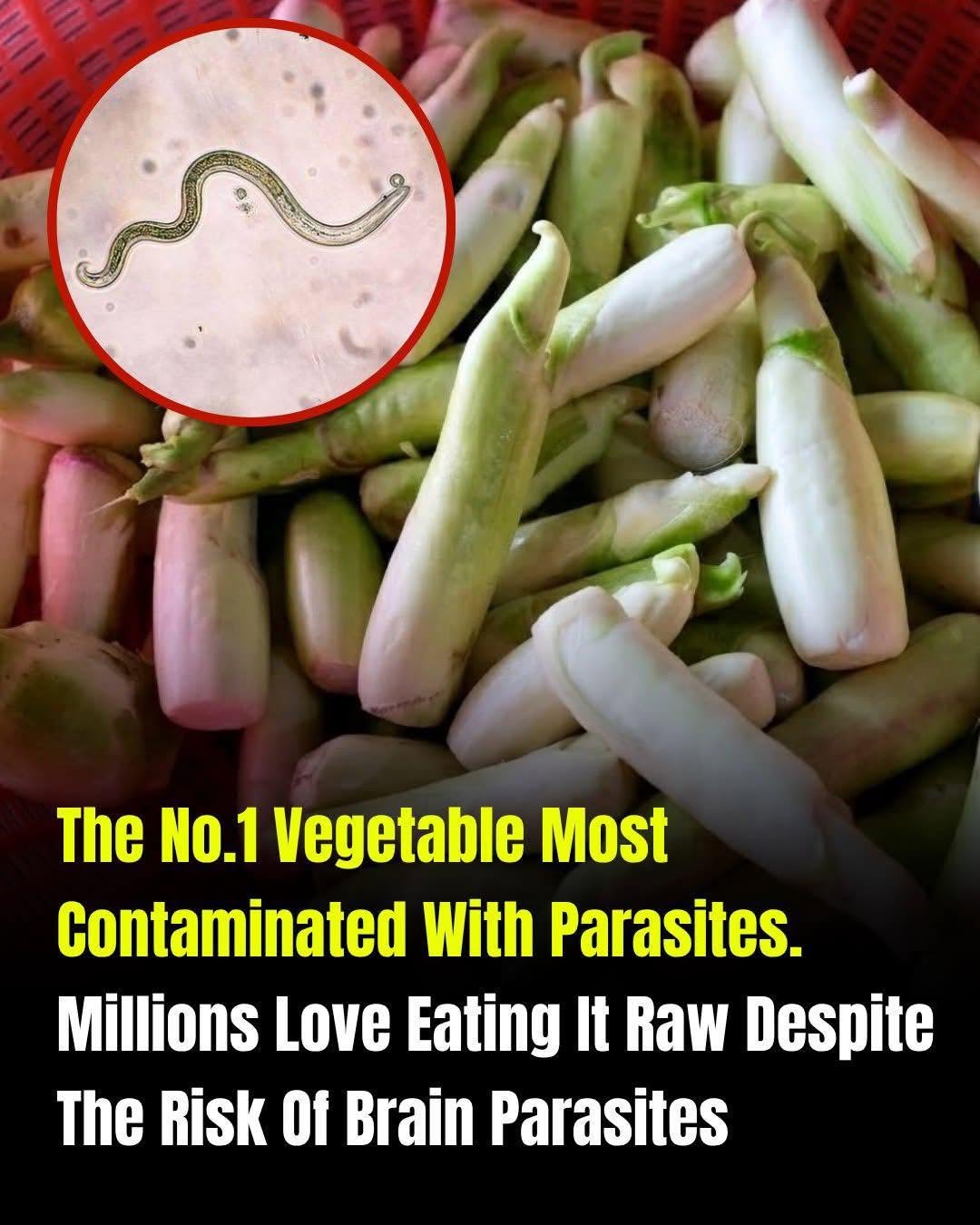
Can Pumpkin Seeds, Garlic, or Avocado Eliminate Parasites?
Pumpkin seeds, garlic, avocado, and lemon can all be nutritious parts of a varied diet. However, eating them should not be presented as a proven treatment for intestinal parasites.
Some laboratory and traditional-medicine reports have explored compounds found in pumpkin-family plants, including cucurbitacins. This does not establish that ordinary servings of pumpkin seeds can reliably paralyze parasites or remove an infection in humans.
The claim that raw pumpkin seeds must never be roasted because roasting destroys all useful compounds is also too absolute. Raw and roasted seeds can both provide protein, fiber, minerals, and unsaturated fats, although their nutrient profiles and flavors may differ.
Garlic has been studied for antimicrobial properties in laboratory settings, but eating garlic is not a substitute for medical diagnosis or antiparasitic medication.
Avocado provides fiber and mostly unsaturated fats, but it cannot guarantee improved circulation, prevent skin discoloration, or protect someone from parasites.
A Nutritious Avocado and Pumpkin Seed Dip
This simple dip can still be enjoyed as a flavorful snack. It should be described as a nutritious food rather than a parasite treatment or “gut shield.”
Ingredients
- ½ cup raw or lightly toasted unsalted pumpkin seeds
- 1 large ripe avocado
- 1 small garlic clove, finely minced
- 1 tablespoon fresh lemon juice
- A pinch of salt, to taste
- 1 to 2 tablespoons of water, if needed
Instructions
- If using raw pumpkin seeds and a softer texture is desired, soak them in clean water for 15 to 30 minutes, then drain thoroughly.
- Place the avocado, pumpkin seeds, garlic, lemon juice, and salt in a food processor or blender.
- Blend until creamy, adding a small amount of water if necessary.
- Taste and adjust the lemon juice and seasoning.
- Cover and refrigerate until serving.
Serve the dip with cucumber slices, bell pepper strips, carrots, whole-grain crackers, or toasted bread.
When to Seek Medical Advice
Symptoms such as persistent diarrhea, abdominal pain, unexplained weight loss, fever, blood in the stool, dehydration, severe fatigue, or symptoms following international travel should be discussed with a healthcare professional.
Parasitic infections cannot be diagnosed reliably from symptoms alone. Laboratory testing may be required, and treatment depends on the specific organism involved.
Do not rely on herbal mixtures, seed preparations, fasting, or “cleanses” to treat a suspected infection. Delaying appropriate treatment can allow dehydration, nutritional problems, or other complications to become worse.
Practical Produce-Safety Checklist
- Wash your hands before and after handling fresh produce.
- Discard damaged, slimy, moldy, or badly bruised vegetables.
- Remove dirty outer leaves from lettuce and cabbage.
- Rinse produce thoroughly under clean running water.
- Keep raw vegetables separate from raw meat, poultry, seafood, and eggs.
- Use clean knives, cutting boards, bowls, and towels.
- Refrigerate perishable produce promptly.
- Cook higher-risk vegetables when there are concerns about water or handling conditions.
- Use extra caution with raw sprouts and pre-cut produce.
Final Thoughts
Leafy greens and fresh herbs can sometimes carry contaminants because of their shape and the way they are grown, but they remain valuable foods that can be enjoyed safely with careful handling.
Removing damaged outer leaves, rinsing produce under clean running water, preventing cross-contamination, refrigerating it correctly, and cooking it when appropriate are practical steps that reduce risk.
Nutritious foods such as pumpkin seeds, garlic, avocado, and lemon can be part of a healthy diet, but they should not be promoted as proven cures for parasitic infections. Food safety prevents many problems; suspected infections require proper medical testing and evidence-based treatment.