What Is Obesity?
Obesity is defined as having a Body Mass Index (BMI) of 30 or higher (kg/m²), indicating excessive body fat that may negatively affect health.
Heart Diseases Associated with Obesity
- Heart failure
Obesity increases the heart’s workload by raising blood volume and cardiac output. Over time, this can enlarge the heart and lead to conditions such as left ventricular hypertrophy, eventually resulting in heart failure. - Atrial fibrillation
This is an irregular and often rapid heart rhythm. Obesity significantly increases the risk of developing this condition, which can lead to blood clots and other complications. - Coronary heart disease
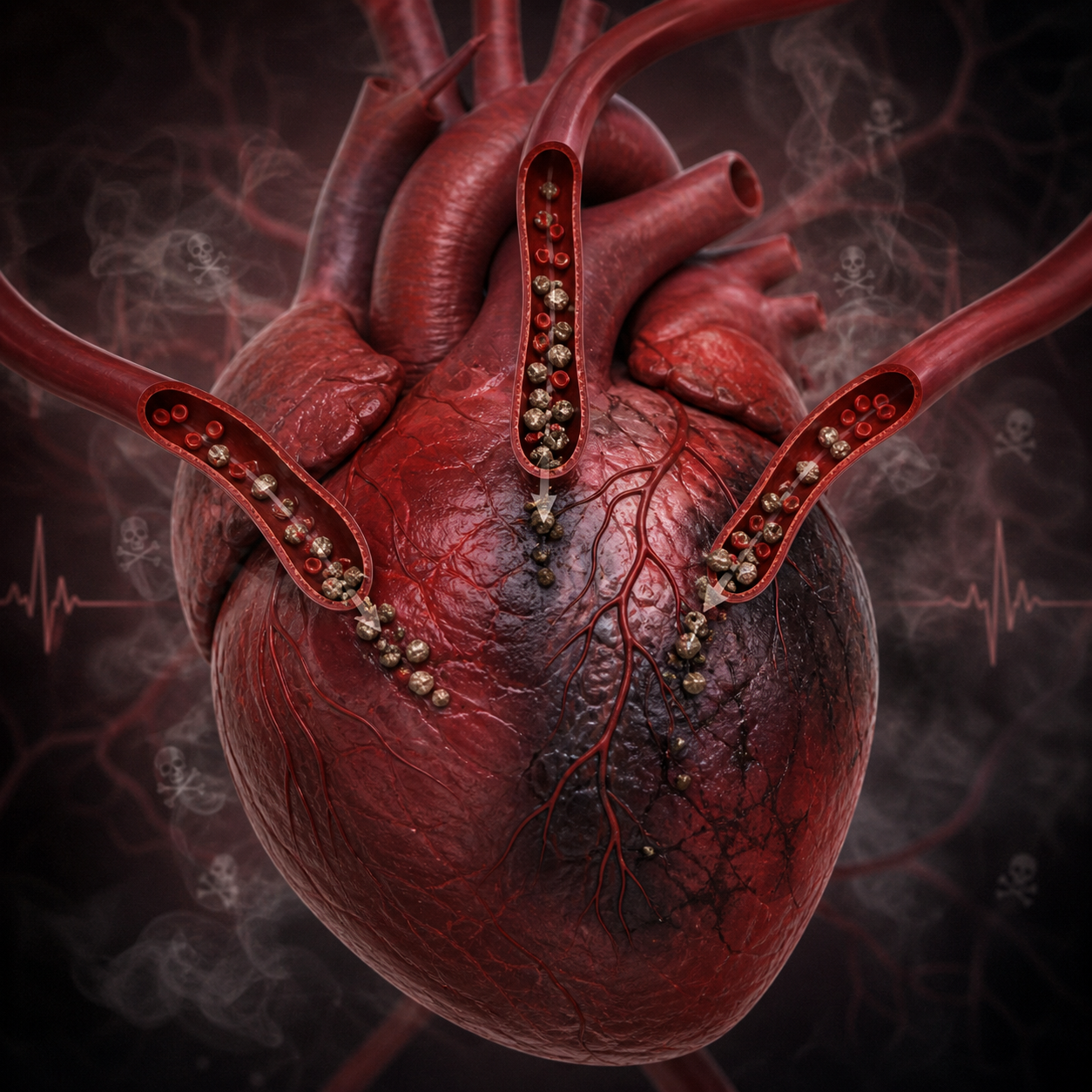
Excess fat—especially around the abdomen—contributes to plaque buildup in the arteries, reducing blood flow to the heart. - Stroke
Obesity is a major risk factor for stroke, which occurs when blood flow to the brain is reduced or blocked.