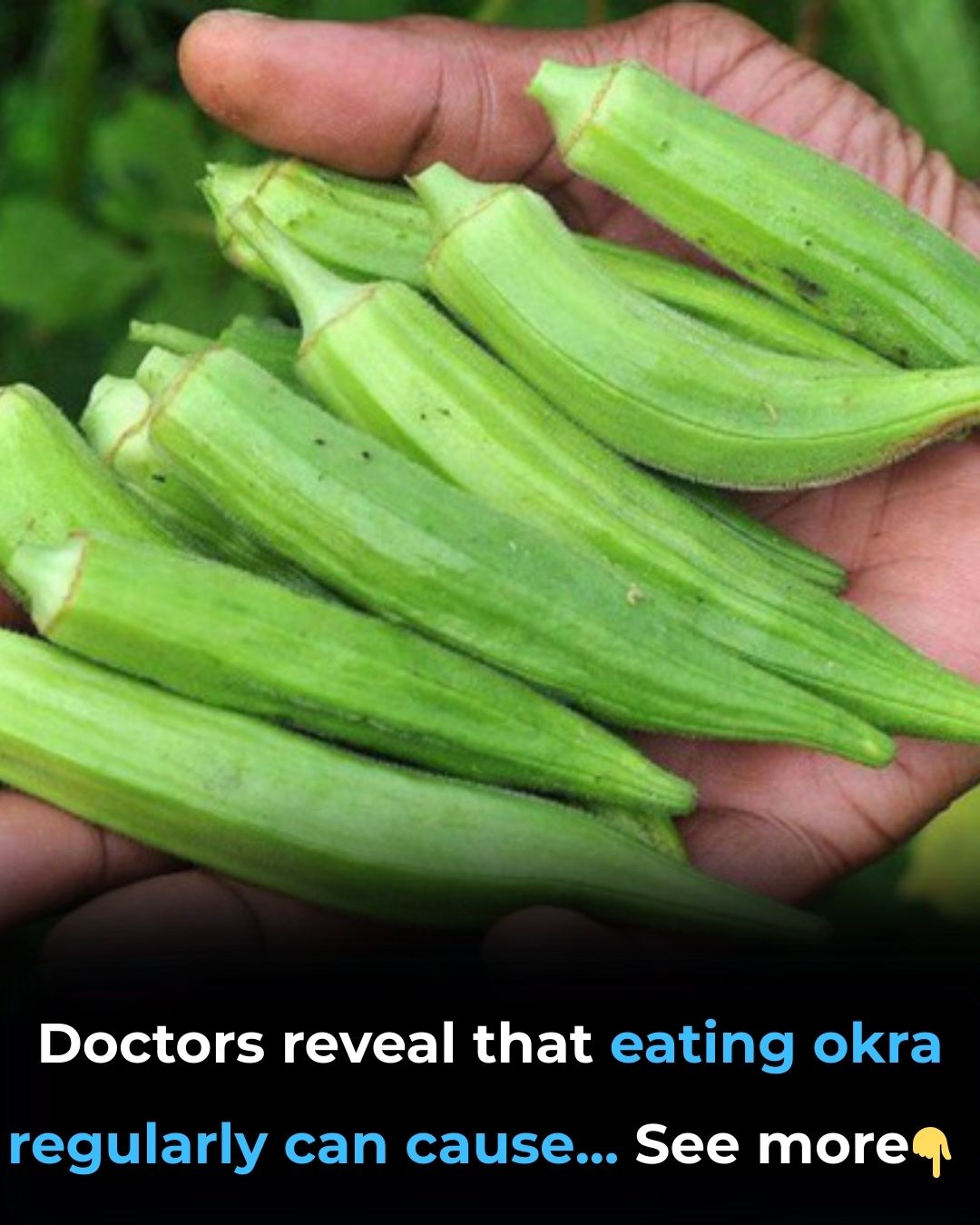
4. Okra May Support Heart Health
Heart health depends heavily on lifestyle habits — and nutrition plays a major role.
Okra contains soluble fiber that may help reduce LDL cholesterol levels by binding to cholesterol inside the digestive tract.
This may help the body remove excess cholesterol more efficiently.
Additional Heart-Friendly Nutrients in Okra:
- Potassium
- Folate
- Antioxidants
Potassium helps maintain healthy fluid balance and supports normal blood pressure regulation.
Folate contributes to cardiovascular health by helping regulate homocysteine levels.
5. It Helps Support Strong Bones
Many people are surprised to learn that okra contains significant amounts of vitamin K.
Vitamin K plays a key role in:
- Bone mineralization
- Calcium regulation
- Normal blood clotting
Low vitamin K intake has been associated with weaker bones and increased fracture risk over time.
Adding vitamin K-rich vegetables like okra may help support long-term bone health, especially as we age.
6. It May Help You Feel Fuller Longer
Because okra contains fiber and water, it can help increase feelings of fullness after meals.
This may:
- Reduce unnecessary snacking
- Support balanced eating habits
- Help with portion control
Foods that digest more slowly often help stabilize hunger levels throughout the day.
How to Enjoy Okra Without the Slimy Texture
Many people avoid okra because of its mucilage texture.
Fortunately, several cooking methods greatly reduce the sliminess.
Best Cooking Methods
- Roasting: High heat creates crispy edges
- Grilling: Adds smoky flavor and firmer texture
- Stir-frying: Quick cooking reduces mucilage
- Air frying: Produces crunchy okra snacks
On the other hand, soups and stews intentionally use okra’s natural thickness to create rich texture — especially in dishes like gumbo.
Important Things to Know
Although okra is healthy for most people, there are a few considerations.
Oxalates
Okra contains oxalates, which may contribute to kidney stone formation in susceptible individuals.
People prone to calcium oxalate stones may benefit from moderation and proper hydration.
Vitamin K and Blood Thinners
Because okra contains vitamin K, people taking anticoagulant medications like warfarin should keep intake consistent and discuss major dietary changes with their healthcare provider.
Simple Ways to Add More Okra to Your Diet
- Roast with olive oil and paprika
- Add to vegetable soups
- Cook with tomatoes and onions
- Use in curries and stir-fries
- Blend into stews
- Air fry for crispy snacks
Final Thoughts
Okra may not be the flashiest vegetable in the produce section, but it quietly delivers a wide range of nutritional benefits.
Regularly eating okra may help support:
- Digestive health
- Heart health
- Blood sugar balance
- Bone strength
- Overall wellness
No single food is a miracle cure — but consistently choosing nutrient-rich vegetables can make a meaningful difference over time.
Sometimes the healthiest foods are not the trendiest ones…
but the simple traditional ingredients that generations have quietly relied on for years.